
Medical tourism in China has grown rapidly in recent years as international patients search for advanced treatments, shorter waiting times, and more accessible healthcare costs. Supported by strong investment in medical technology and hospital infrastructure, China has transformed many of its major cities into modern healthcare centers capable of treating complex medical conditions.
Today, patients travel to China for a wide range of treatments, from cancer care and neurological rehabilitation to regenerative medicine and integrative recovery programs. The country’s healthcare system combines modern Western medicine with traditional healing practices, offering a unique treatment environment that attracts patients from across Asia, the Middle East, Europe, and beyond.
This guide provides a comprehensive overview of medical tourism in China, including treatment options, hospital standards, patient experience, costs, and important considerations before traveling.
Why China Is Becoming a Popular Medical Tourism Destination
China’s rise as a medical tourism destination is closely connected to its rapid healthcare modernization. Over the past decade, hospitals have adopted advanced diagnostic equipment, robotic surgical systems, and precision treatment technologies. Many medical centers collaborate with research institutions, allowing new therapies to be introduced quickly into clinical practice.
Another important factor is treatment accessibility. Patients in many countries face long waiting periods for specialized procedures. Chinese hospitals often have greater treatment capacity, enabling faster scheduling for consultations and procedures, particularly in complex medical fields.
Cost efficiency also contributes to growing international interest. While China is not always the lowest-cost destination, patients often find a strong balance between advanced medical technology and reasonable pricing compared with Western healthcare systems.
Major Cities for Medical Treatment
International patients usually receive treatment in large metropolitan areas where medical infrastructure and international services are well developed.
Beijing is known for national research hospitals and advanced specialty centers that manage complex medical cases. Shanghai offers modern hospital environments with dedicated international patient departments. Guangzhou has become recognized for rehabilitation medicine and long-term recovery programs, while Shenzhen represents a rapidly developing healthcare hub focused on innovation and technology.
These cities provide convenient transportation, international airports, and a wide range of accommodation options suitable for both short and extended medical stays.
Common Treatments Sought by International Patients
Oncology and Cancer Care
Cancer treatment is one of the main reasons patients travel to China. Hospitals provide comprehensive oncology services that may include chemotherapy, radiation therapy, targeted therapy, and immunotherapy. Treatment plans are often personalized based on diagnostic testing and multidisciplinary medical evaluation.
Advances in precision medicine have allowed doctors to tailor therapies according to individual patient characteristics, helping improve treatment effectiveness and monitoring outcomes more closely.
Rehabilitation and Neurological Recovery
China has built a strong reputation in rehabilitation medicine, particularly for patients recovering from stroke, spinal cord injuries, traumatic brain injuries, and neurological disorders. Rehabilitation programs are typically intensive, involving daily therapy sessions designed to restore mobility and functional independence.
Many centers combine physiotherapy with supportive therapeutic methods to enhance recovery progress over time.
Regenerative Medicine
Regenerative and cell-based therapies have attracted attention from patients seeking treatment for degenerative conditions, orthopedic injuries, and certain neurological disorders. These programs are usually offered within specialized clinical environments and involve careful medical assessment before treatment planning.
Traditional Chinese Medicine
Traditional Chinese Medicine remains an important component of healthcare in China. Therapies such as acupuncture, herbal medicine, and therapeutic massage are often used alongside modern medical treatments to support recovery and improve overall well-being.
For many patients, this integrative approach provides both physical and psychological benefits during the healing process.
Hospital Quality and Medical Expertise
Leading hospitals in China are equipped with advanced imaging systems, modern operating facilities, and multidisciplinary medical teams. Many physicians have international training experience and participate in global research collaborations.
International patient departments have become increasingly common. These departments assist with scheduling, translation, treatment coordination, and communication between doctors and patients. Dedicated wards for overseas patients also help create a more comfortable healthcare environment.
However, hospital quality can vary significantly, making careful research and proper medical guidance important before choosing a facility.
Cost of Treatment in China
The cost of medical treatment depends on factors such as hospital level, treatment complexity, and duration of stay. In many cases, international patients find treatment costs significantly lower than in the United States or parts of Europe while still receiving advanced medical care.
Long-term rehabilitation programs and specialized therapies may also be more affordable compared with similar services abroad. Hospitals usually provide preliminary treatment estimates after reviewing medical records, allowing patients to plan their travel and finances in advance.
Medical Technology and Innovation
China continues to invest heavily in healthcare innovation. Hospitals increasingly use artificial intelligence to assist with medical imaging analysis and treatment planning. Robotic-assisted surgery and precision radiotherapy systems are becoming more widely available in major medical centers.
Genetic testing and personalized medicine are also expanding, allowing doctors to design treatment strategies tailored to individual patient needs. This integration of research and clinical practice contributes to China’s growing reputation in advanced medical care.
The Medical Travel Process
International patients typically follow a structured treatment journey. The process usually begins with submitting medical records for specialist review. After evaluation, doctors provide treatment recommendations and estimated costs.
Once a treatment plan is confirmed, patients prepare travel documents and arrange accommodation. Upon arrival, hospital admission and diagnostic testing are completed before treatment begins. Recovery and rehabilitation may continue for several weeks depending on the medical condition.
After returning home, many patients maintain communication with their doctors through remote follow-up consultations.
Patient Experience and Support Services
Hospitals serving international patients have made significant improvements in service quality. Coordinators assist with appointment scheduling, airport transfers, and communication support. Translation services help patients clearly understand medical information and treatment decisions.
Patients undergoing extended treatment often stay in nearby serviced apartments or hotels, allowing family members to provide support during recovery. A comfortable living environment plays an important role in emotional well-being and overall treatment success.
Integration of Modern Medicine and Traditional Healing
One of the distinctive aspects of healthcare in China is the integration of modern medical science with traditional healing practices. Rather than replacing Western treatment, traditional therapies are often used as supportive care.
For example, acupuncture may help manage discomfort or fatigue during recovery, while herbal therapies may be used to support general wellness. This combined approach attracts patients seeking comprehensive healing rather than isolated medical procedures.
Safety and Important Considerations
Patients considering treatment abroad should carefully review hospital credentials, physician qualifications, and treatment recommendations. Clear communication about expected outcomes and potential risks is essential.
Language differences and unfamiliar administrative procedures may create challenges, particularly outside international departments. Careful planning and professional coordination can help ensure a smoother treatment experience.
Recovery and Aftercare Planning
Recovery planning is an essential part of medical tourism. Many hospitals provide structured rehabilitation and discharge planning to support long-term outcomes. Patients are encouraged to obtain translated medical documentation before returning home so local doctors can continue follow-up care.
Digital communication tools increasingly allow doctors to monitor patient progress remotely, ensuring continuity of care after travel.
Comparing China with Other Medical Tourism Destinations
Different countries offer different advantages in medical tourism. Thailand is widely known for elective procedures and hospitality-focused healthcare, while South Korea is recognized for cosmetic and reconstructive surgery.
China’s strength lies in complex treatments supported by research-driven medicine, particularly oncology, rehabilitation, and advanced therapeutic programs. Patients seeking innovative or specialized treatment options often consider China as an alternative to traditional destinations.
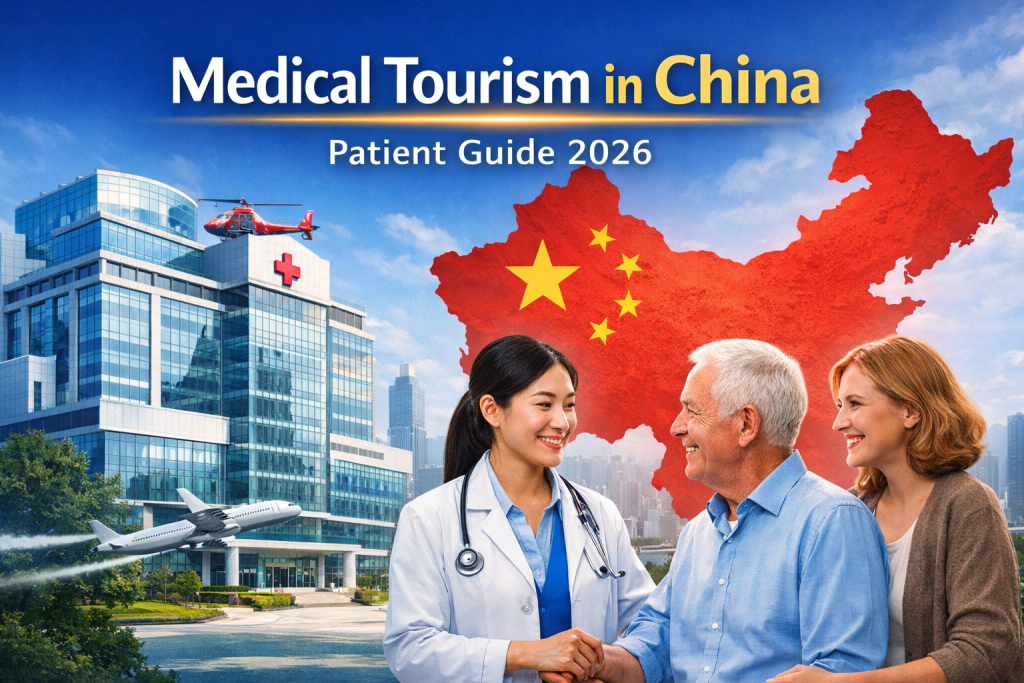
China is becoming a leading destination for medical tourism, offering advanced treatments, modern hospitals, and comprehensive care for international patients.
Who May Benefit from Medical Treatment in China
China may be a suitable option for patients who require advanced therapies, intensive rehabilitation, or personalized treatment strategies. It may also benefit individuals facing long waiting times in their home healthcare systems.
Each patient’s condition is unique, and treatment decisions should always be based on professional medical evaluation.
Frequently Asked Questions
Is medical treatment in China safe?
Top-tier hospitals follow modern medical standards and clinical protocols.
Do hospitals provide English support?
Many major hospitals offer international departments with translation assistance.
How long should patients plan to stay?
Treatment duration varies depending on the condition and recovery needs.
Can follow-up care continue after returning home?
Yes, remote consultations are increasingly common.
Conclusion
Medical tourism in China offers international patients access to advanced medical technology, specialized treatment programs, and integrated recovery approaches. Supported by ongoing healthcare innovation and expanding international services, China continues to develop as an important destination for patients seeking high-quality medical care abroad.
With proper preparation and informed decision-making, patients can benefit from comprehensive treatment options while experiencing a healthcare system that combines innovation with holistic recovery support.
Need Help Planning Treatment in China?
Our medical coordinators help international patients choose the right hospital,
understand treatment options, and plan their medical journey safely and transparently.